Oral Probiotics vs Mouthwash — Which Is Better for Your Oral Health?
Ready to Try Oral Probiotics?
We’ve tested the leading oral probiotic supplements. Here are our top picks:
ProDentim Review (8.5/10) — Best Overall Oral Probiotic →
PowerBite Review (7.8/10) — Best for Enamel & Mineral Support →
Last updated: March 2026 · 7 min read
For decades, mouthwash has been the go-to solution for freshening breath and killing germs. But a growing body of research suggests that this approach may be doing more harm than good. Oral probiotics offer a fundamentally different strategy — instead of wiping out bacteria, they aim to restore the natural balance of your oral microbiome.
So which approach is actually better for your long-term oral health? In this article, we compare oral probiotics and traditional mouthwash across the factors that matter most.
🚫 Mouthwash Downsides
- Kills beneficial bacteria along with harmful ones
- Effects are temporary (hours, not days)
- Alcohol versions can dry out mouth tissue
- May contribute to antibiotic resistance
- Masks symptoms without addressing root causes
✅ Probiotic Advantages
- Supports and restores beneficial bacteria
- Effects build over time with consistent use
- No harsh chemicals or alcohol
- Addresses root cause of oral imbalance
- May reduce bad breath at its source
In this article
How Mouthwash Works
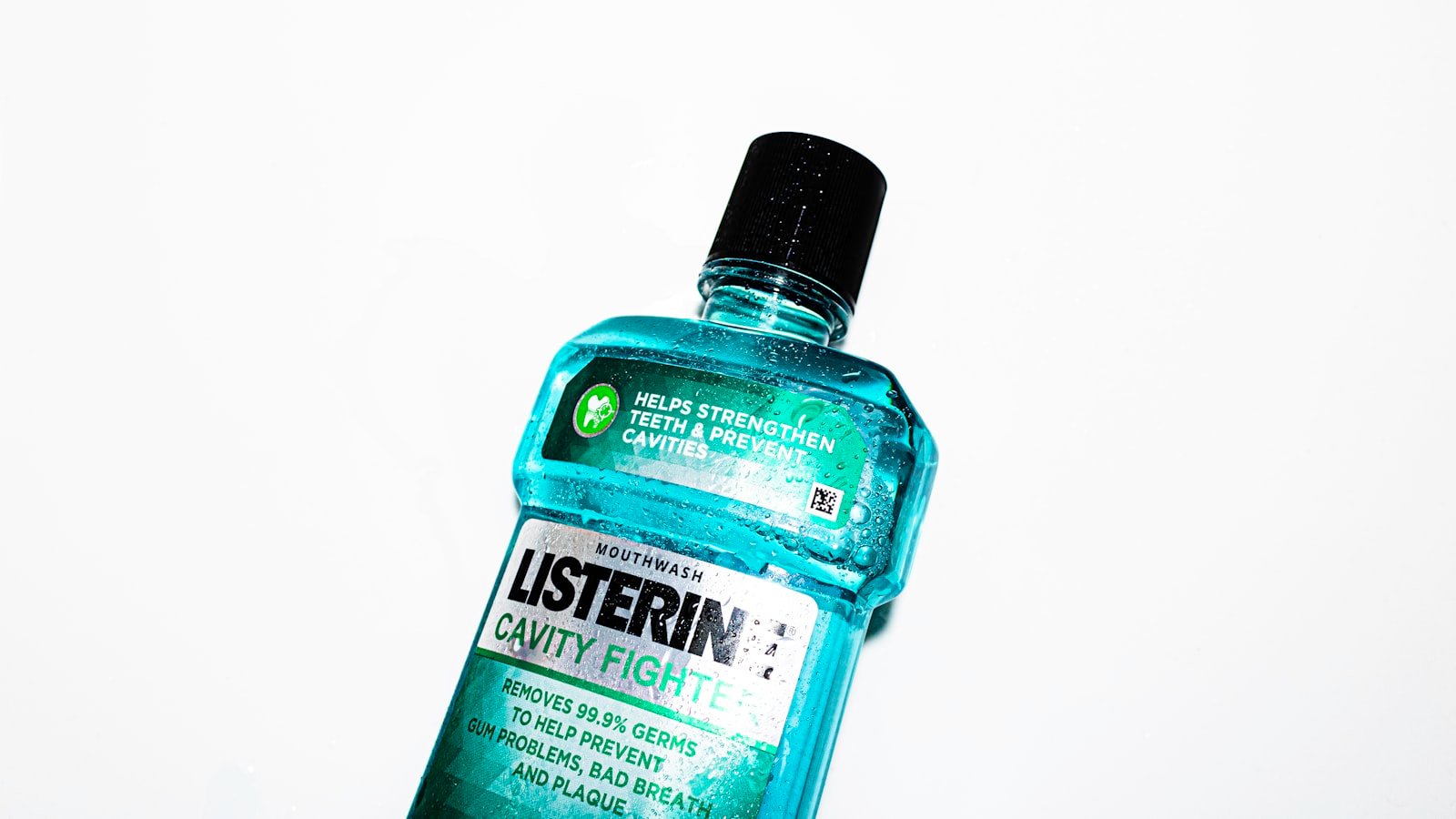
Most commercial mouthwashes use one of two active ingredients: alcohol (ethanol) or chlorhexidine. Both work as broad-spectrum antimicrobials, meaning they kill bacteria on contact. Alcohol-based rinses like Listerine typically contain 20-26% ethanol, while chlorhexidine (often prescribed by dentists) is considered the gold standard for short-term bacterial control.
The appeal is straightforward — swish for 30 seconds and you reduce the total bacterial load in your mouth. This can temporarily reduce plaque, fight gingivitis, and eliminate bad breath. For acute infections or post-surgical care, antimicrobial rinses remain an important clinical tool.
The Problem with Mouthwash
The issue is that mouthwash does not discriminate between good and bad bacteria. Your mouth hosts over 700 bacterial species, and many of them play essential protective roles — producing antimicrobial compounds, maintaining healthy pH, and supporting gum tissue integrity.
Research published in Free Radical Biology and Medicine found that antiseptic mouthwash disrupts oral bacteria involved in nitric oxide production, which is critical for cardiovascular health. Regular mouthwash users showed significantly higher blood pressure compared to non-users.
Additional concerns with daily mouthwash use include:
- Microbiome disruption — Killing beneficial bacteria creates ecological niches that harmful species can exploit during recolonization
- Dry mouth — Alcohol-based rinses reduce saliva production, which paradoxically increases cavity and gum disease risk
- Staining — Chlorhexidine causes brown tooth staining with prolonged use
- Rebound effect — Bad breath often returns worse after the antimicrobial effect wears off, because the protective bacteria have been eliminated
Key insight: Mouthwash treats symptoms (bacteria) rather than the root cause (microbial imbalance). When you stop using it, problems often return because the underlying ecosystem has not been repaired.
How Oral Probiotics Work
Oral probiotics take the opposite approach. Instead of killing bacteria, they introduce specific beneficial strains that colonize your mouth and help restore a healthy microbial balance. Most oral probiotics come as lozenges or chewable tablets designed to dissolve slowly, giving the bacteria time to adhere to oral surfaces.
The most studied oral probiotic strains include:
- Lactobacillus reuteri — Shown to reduce gingivitis, bleeding, and plaque in multiple clinical trials
- BLIS K12 (Streptococcus salivarius K12) — Produces antimicrobial compounds that inhibit pathogenic bacteria; well-studied for throat and ear health
- BLIS M18 (Streptococcus salivarius M18) — Produces enzymes that break down plaque and help maintain tooth enamel
- Lactobacillus paracasei — Supports gum attachment and helps prevent pathogenic bacterial adhesion
These strains work through several mechanisms: competitive exclusion (occupying space so harmful bacteria cannot attach), producing natural antimicrobial peptides, modulating the immune response, and helping maintain optimal oral pH. For a deeper dive into the science, read our oral microbiome guide.
Head-to-Head Comparison
| Factor | Mouthwash | Oral Probiotics |
|---|---|---|
| Mechanism | Kills all bacteria | Restores beneficial bacteria |
| Speed of results | Immediate (temporary) | Gradual (2-4 weeks) |
| Long-term oral health | May worsen over time | Supports improvement |
| Bad breath | Masks temporarily | Addresses root cause |
| Microbiome impact | Disrupts balance | Restores balance |
| Side effects | Dry mouth, staining, BP effects | Minimal reported |
| Clinical evidence | Extensive (decades) | Growing (promising) |
| Cost | $5-15/month | $30-70/month |
Who Should Use What?
Mouthwash may be appropriate if:
- You have an acute oral infection and your dentist recommends short-term antimicrobial rinse
- You are recovering from oral surgery and need temporary bacterial control
- You want a quick pre-meeting breath freshener (occasional use)
Oral probiotics may be a better choice if:
- You have chronic bad breath that keeps coming back
- You experience recurring gum inflammation or bleeding despite good hygiene
- You want to support long-term oral health rather than treat symptoms
- You have been using mouthwash daily and are not seeing lasting improvement
- You are interested in a more holistic, microbiome-friendly approach
If you are curious about oral probiotics, we have done a detailed breakdown of one of the most popular options on the market. Read our full ProDentim review to see the ingredients, research, pricing, and our honest verdict.
📊 Scorecard Comparison
🤔 Which One Is Right for You?
• You have recurring bad breath
• You suffer from gum disease
• You want to support your microbiome
• You prefer a natural approach
• You just had oral surgery
• Your dentist prescribed it
• You need short-term bacteria control
• You want an instant clean feeling
The Verdict
Traditional mouthwash is effective for short-term bacterial control but may undermine your oral health when used daily over long periods. It is a bit like using antibiotics for a cold — powerful, but not always appropriate.
Oral probiotics represent a newer, more targeted approach that works with your body’s natural systems rather than against them. While the research is still maturing, the evidence so far is encouraging, particularly for people with chronic gum issues or persistent bad breath.
The ideal oral care routine for most people combines good mechanical hygiene (brushing and flossing), a nutrient-rich diet, and microbiome-supportive practices — which may include oral probiotics. For most adults, daily antimicrobial mouthwash is likely unnecessary and potentially counterproductive.
Free Guide: 7-Day Oral Microbiome Reset
Get practical, science-backed steps to rebalance your oral microbiome and support healthier gums — no mouthwash required.
Sources & Further Reading
- Free Radical Biology and Medicine — Antiseptic Mouthwash and Blood Pressure (2020)
- Journal of Oral Microbiology — Oral Probiotics in Periodontal Health (2023)
- British Dental Journal — Chlorhexidine: Benefits and Risks of Long-term Use
- Nutrients — The Role of the Oral Microbiome in Systemic Health (2022)
About the Author
The Oral Flora Guide editorial team researches and writes about oral health, dental supplements, and the oral microbiome. Our content is evidence-based and reviewed for accuracy. We are committed to helping readers make informed decisions about their oral health. Learn more about us.