Looking for a Natural Solution?
Oral probiotics can help support gum health from the inside. Read our in-depth reviews:
ProDentim Review (8.5/10) — Clinically-Studied Strains for Gum Health →
Last updated: March 2026 · 8 min read
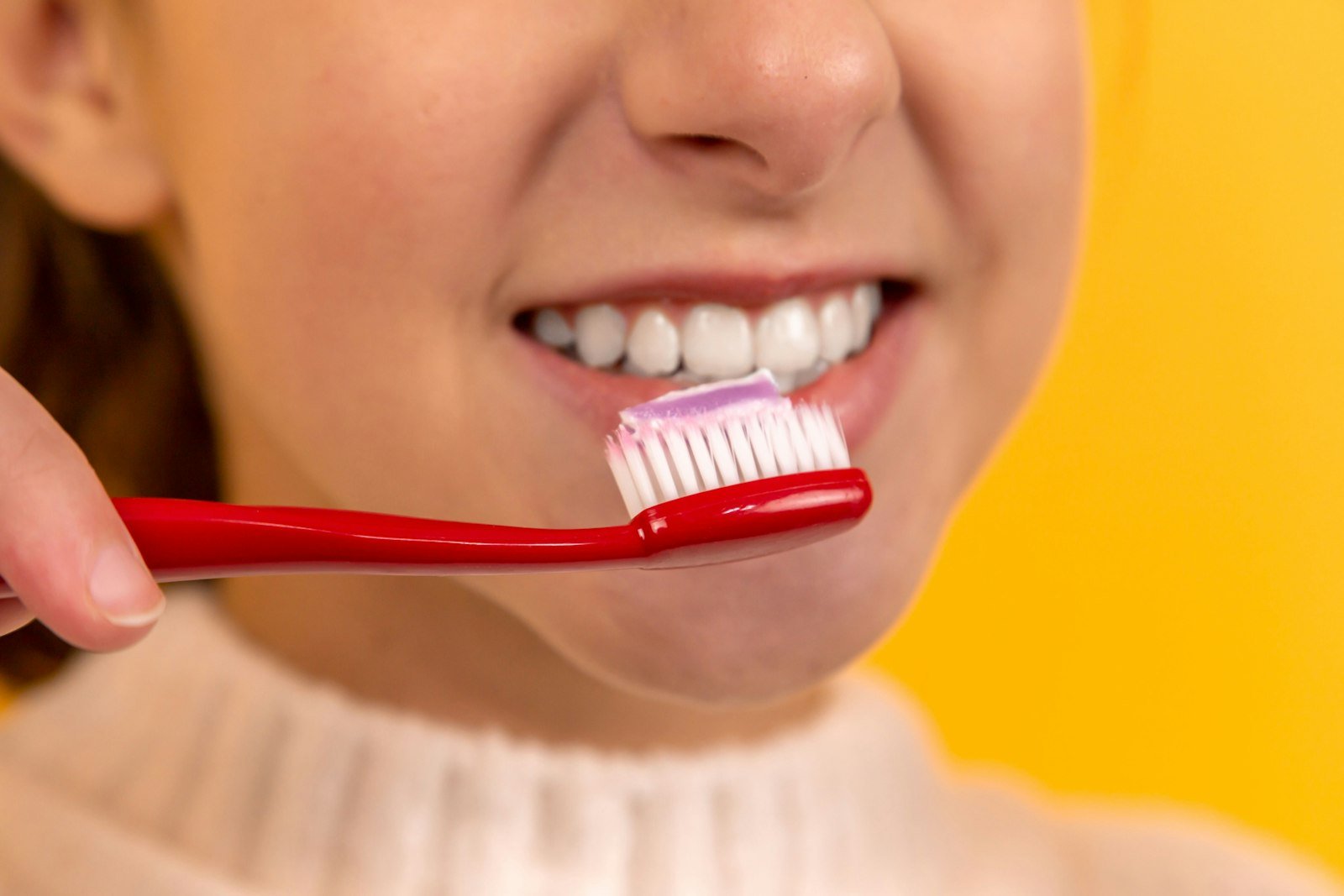
Understanding bleeding gums causes can help you take control of your oral health. If you notice pink or red on your toothbrush after brushing, you are not alone. Bleeding gums affect nearly half of all adults at some point. While occasional bleeding may seem harmless, it is often one of the earliest warning signs that something in your mouth needs attention.
In this guide, we will cover the five most common causes of bleeding gums, explain when you should see a dentist, and share evidence-based strategies to stop the bleeding and restore gum health.
In this article
🧠 5 Causes at a Glance
1. Gingivitis (Early Gum Disease)
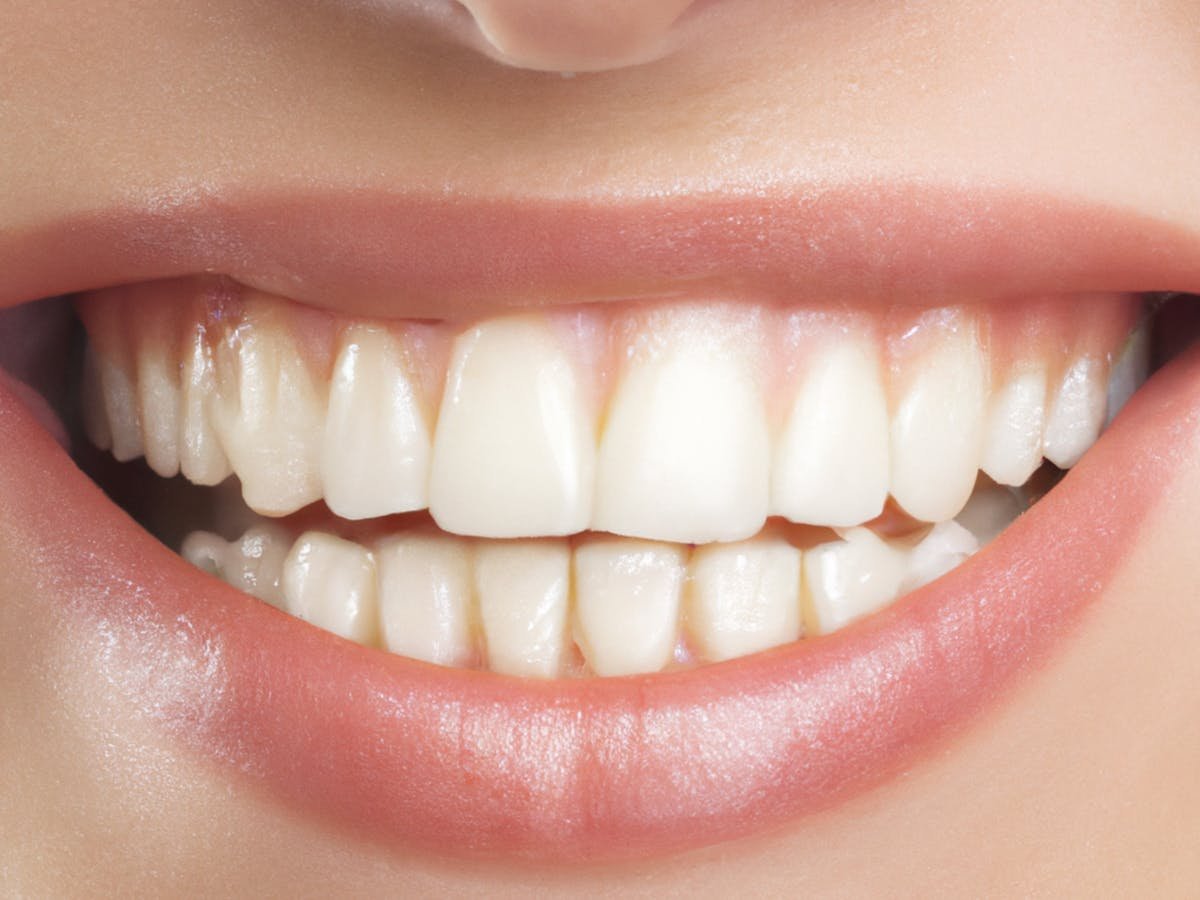
Gingivitis is the number one cause of bleeding gums. It occurs when plaque — a sticky film of bacteria — builds up along the gumline and triggers inflammation. Your immune system responds by sending extra blood flow to the area, which is why gums bleed easily when disturbed by brushing or flossing.
The good news is that gingivitis is completely reversible. With consistent oral hygiene and the right approach, most people see improvement within two to three weeks.
Signs of gingivitis: Red or swollen gums, bleeding during brushing or flossing, persistent bad breath, and gums that feel tender to the touch.
2. Brushing Too Hard
Many people believe that scrubbing harder means cleaner teeth, but aggressive brushing actually damages delicate gum tissue. Using a hard-bristled toothbrush or pressing too firmly can cause gums to recede and bleed, even if there is no underlying disease.
Dentists recommend using a soft-bristled brush and gentle, circular motions rather than a back-and-forth sawing movement. An electric toothbrush with a pressure sensor can also help you avoid applying too much force.
3. Poor Oral Microbiome Balance
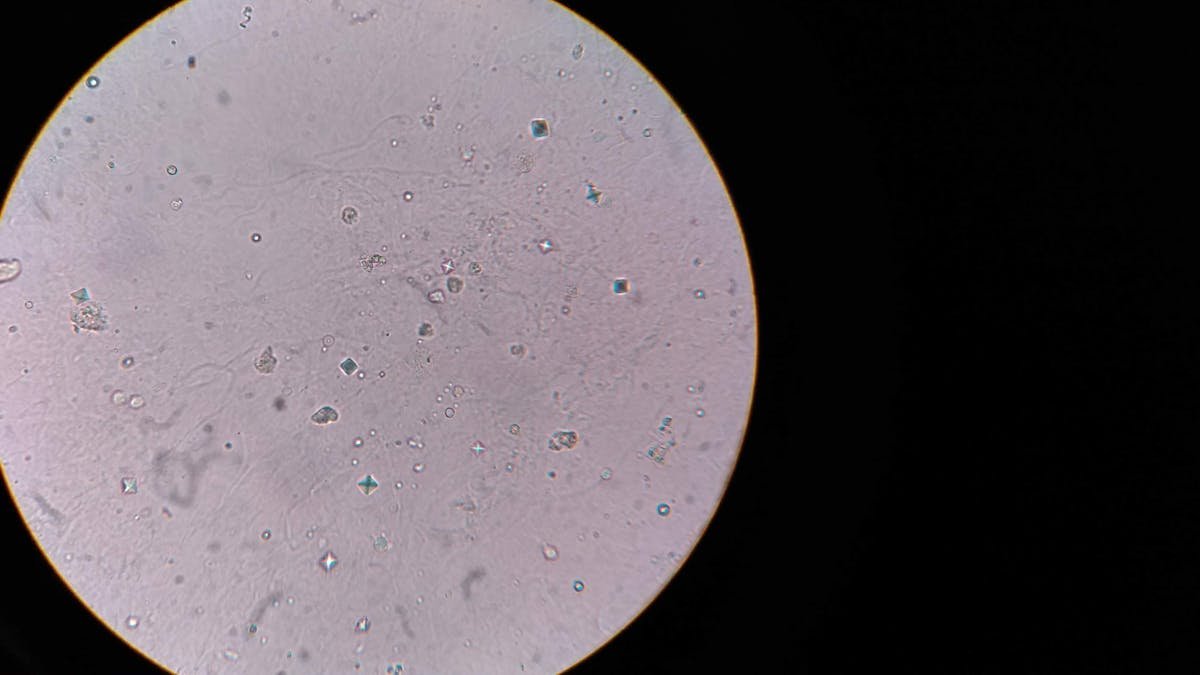
Your mouth is home to over 700 species of bacteria. When beneficial bacteria thrive, they help protect your gums by crowding out harmful species and maintaining a healthy pH. But when this balance tips — a condition called dysbiosis — pathogenic bacteria like Porphyromonas gingivalis can proliferate and cause chronic gum inflammation.
Research published in the Journal of Clinical Periodontology shows that oral microbiome imbalance is a key driver of gum disease progression. Factors that disrupt this balance include overuse of alcohol-based mouthwash, a diet high in sugar and processed foods, smoking, and chronic stress.
Emerging research suggests that targeted oral probiotics — strains like Lactobacillus reuteri and BLIS K12 — may help restore a healthy oral microbiome and reduce gum inflammation. You can learn more about the science in our oral microbiome guide.
4. Nutritional Deficiencies
Your gums need specific nutrients to stay strong and resilient. Vitamin C deficiency is one of the most well-known causes of bleeding gums — in severe cases, it leads to scurvy. Even mild deficiency can weaken the connective tissue in your gums and make them more prone to bleeding.
Vitamin K plays a critical role in blood clotting. If your body does not have enough, even minor gum irritation can lead to prolonged bleeding. Other important nutrients for gum health include vitamin D, omega-3 fatty acids, and coenzyme Q10.
Gum-friendly foods: Citrus fruits, bell peppers, strawberries, leafy greens, fatty fish, nuts, and seeds all support gum health through their vitamin and mineral content.
5. Medications & Health Conditions
Certain medications can make bleeding gums more likely. Blood thinners such as warfarin and aspirin reduce your blood’s ability to clot, which means even gentle brushing may cause bleeding. Some blood pressure medications and antidepressants can also cause gum changes as a side effect.
Health conditions like diabetes, pregnancy (pregnancy gingivitis affects up to 75% of pregnant women), and autoimmune disorders can all increase gum sensitivity and bleeding. Hormonal changes during puberty and menopause may also play a role.
If you suspect a medication or health condition is contributing to your bleeding gums, talk to your doctor before making any changes to your treatment plan.
📊 Bleeding Gums Severity Scale
When to See a Dentist
While occasional, mild bleeding is common and often resolves with improved hygiene, you should schedule a dental appointment if you experience any of the following:
🚨 See a Dentist Immediately If You Notice:
- Bleeding that persists for more than two weeks despite improved brushing and flossing
- Gums that are severely swollen, red, or painful
- Gums pulling away from your teeth (receding gumline)
- Loose teeth or changes in your bite
- Persistent bad breath that does not improve with oral care
- Bleeding accompanied by fever or general illness
These symptoms may indicate periodontitis — a more advanced form of gum disease that requires professional treatment to prevent tooth loss and bone damage.
How to Stop Bleeding Gums: 5 Evidence-Based Fixes
1. Upgrade Your Brushing Technique
Switch to a soft-bristled brush and use gentle circular motions at a 45-degree angle to the gumline. Brush for a full two minutes, twice a day. Consider an electric toothbrush with a pressure sensor to prevent overbrushing.
2. Floss Daily (the Right Way)
Flossing removes plaque from between teeth where your brush cannot reach. If you have not been flossing regularly, your gums may bleed at first — this is normal and usually stops within a week or two of consistent flossing. Use a gentle C-shape motion around each tooth rather than snapping the floss against your gums.
3. Support Your Oral Microbiome
Consider reducing your use of alcohol-based mouthwash, which kills beneficial bacteria along with harmful ones. Our oral probiotics vs mouthwash comparison explains why this matters. Eating a diet rich in fiber, polyphenols, and fermented foods can help feed the good bacteria in your mouth. Oral probiotic supplements are another option worth exploring — check out our ProDentim review for a detailed look at one popular option.
4. Eat for Gum Health
Increase your intake of vitamin C-rich foods (citrus, kiwi, broccoli) and vitamin K-rich foods (leafy greens, fermented foods). Reduce sugar intake, which feeds the harmful bacteria that drive gum inflammation. Staying hydrated also helps maintain saliva flow, which is your mouth’s natural defense system.
5. Get Regular Professional Cleanings
Professional dental cleanings remove tartar (hardened plaque) that you cannot remove at home. Most dentists recommend cleanings every six months, though people with a history of gum disease may benefit from more frequent visits.
Want to Learn More About Oral Health?
Get our free 7-Day Oral Microbiome Reset Guide — practical, science-backed steps to improve your gum health starting today.
Sources & Further Reading
- American Dental Association — Bleeding Gums Overview
- Journal of Clinical Periodontology — Oral Microbiome and Periodontal Health (2023)
- National Institutes of Health — Vitamin C and Gum Health
- World Health Organization — Global Oral Health Status Report (2022)
About the Author
The Oral Flora Guide editorial team researches and writes about oral health, dental supplements, and the oral microbiome. Our content is evidence-based and reviewed for accuracy. We are committed to helping readers make informed decisions about their oral health. Learn more about us.
Oral probiotics may help address the microbial imbalances that contribute to bleeding gums. See our best oral probiotics 2026 guide for evidence-based supplement recommendations.